#Black Lives Matter
#Climate Emergency
#Coronavirus

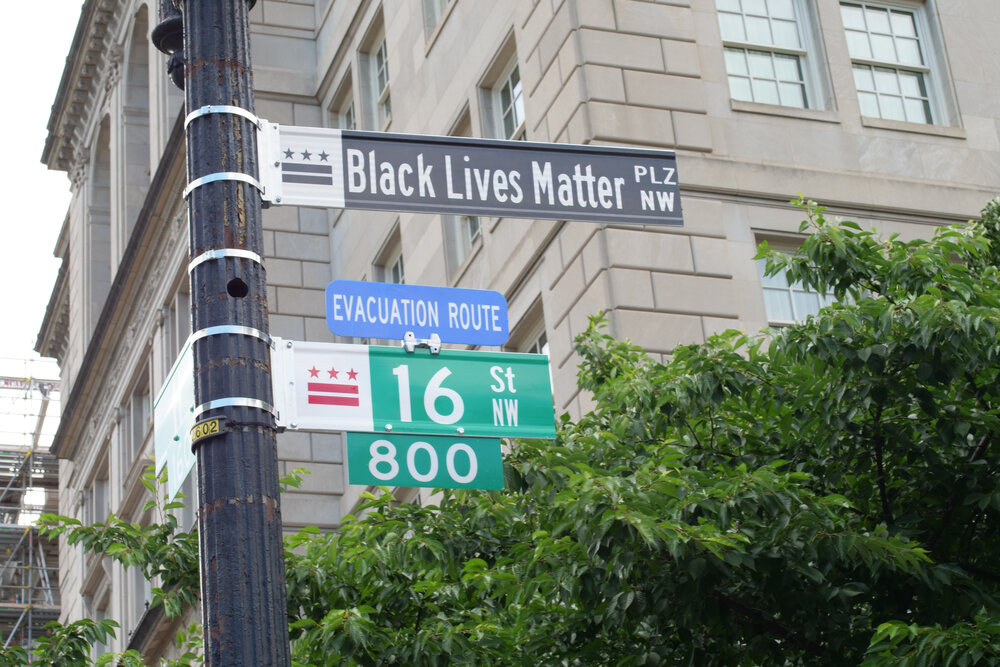
BLM Plaza, Washington, DC, June 2020. Credit: Anthony Peltier
It’s only June, but already we can see in these #hashtags the dimensions of a year of tremendous disruption and a year with the opportunity for unprecedented transformation, not only in the U.S. but globally. The U.S. Presidential election in November is the yet-to-be-constructed fourth pillar of this year of massive change.
For U.S. Presidents, there’s precedent for their reelections to falter: In recent times, there have been four: Lyndon Johnson (who decided – because of antiwar protests – against running for reelection in 1968); Gerald Ford in 1976; Jimmy Carter in 1980; and George H.W. Bush in 1992. It’s hard to see how Donald Trump can get reelected, but there are still five months to go and stranger things have happened in American politics, such as Trump winning in 2016.
Regardless, there are still three markers for this transformative year.
The #ClimateEmergency was front and center for most people until March (and still is an emergency, just one we’ve put off dealing with for the present). We’ve now passed 417 ppm of CO2 in the atmosphere, almost 50% above preindustrial levels of 280 ppm. Even with the coronavirus-related drop in annual emissions for 2020, atmospheric carbon levels will continue to rise each year for many years.
The #Coronavirus has affected 200 countries so far, killed more than 100,000 people in the U.S., and brought the entire world’s economy to a standstill this spring during the 10-week lockdown period that began mid-March, a singular occurrence in modern world history. Though we don’t yet have a vaccine, we’re slowly working our way back to “normal,” which means oil demand and CO2 emissions will increase back to nearly pre-pandemic levels before long.
The horrible death of George Floyd at the hands of Minneapolis police in late May brought a focus globally on institutional racism in the U.S. in the form of the rejuvenated #BlackLivesMatter movement, now seven years old. For the first time, many white Americans seem willing to do something significant about racism, though finding ways to undo the overt and covert practices of generations is not going to be easy. Even though 150 years have passed since the end of the Civil War, a country with a culture that accepted (and in many places, celebrated) the institution of slavery for 250 years and a 200-years-long government policy of extermination of native peoples, is not going to easily change its ways.

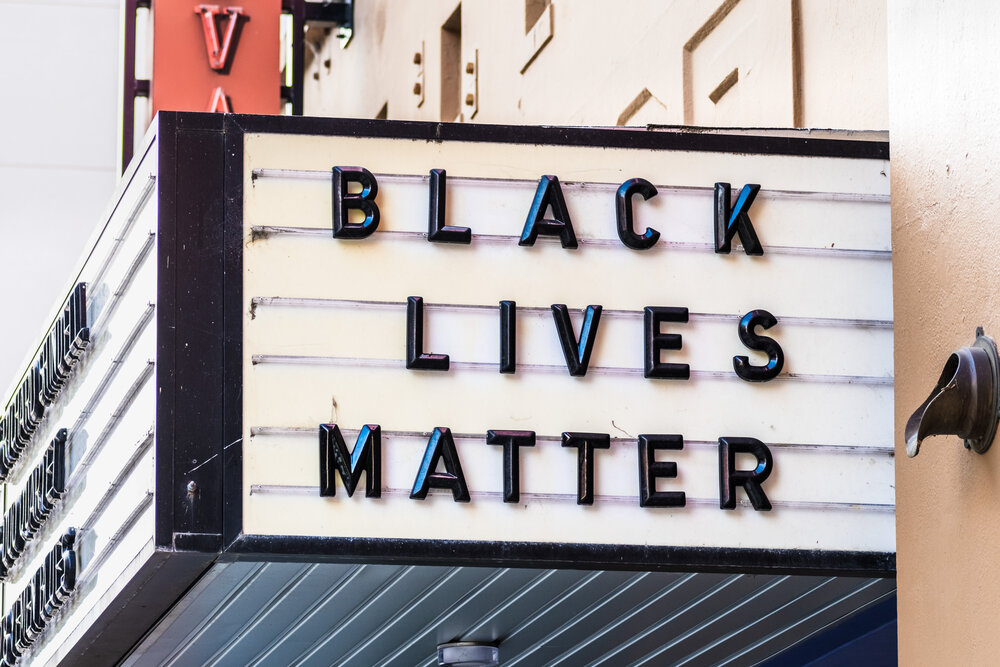
A New Marquee, Lake Oswego, OR. Credit: hapabapa
How are these events connected?
The Coronavirus pandemic showed that old people, poor people, and people of color will be the worst hit by public health crises, as well as by natural disasters and climate-related incidents such as recurring and more intense heat waves.
The Climate Crisis has caused many natural disasters to intensify, including fires and floods that annually destroy tens of billions of property value and often kill thousands in the process. One benefit of the decarbonization solution we need is that it will also clean up industrial environments and air pollution that cause excess morbidity and mortality in mostly poor and minority communities.
The Black Lives Matter movement ensures that there will be no collective will to tackle the climate crisis without FIRST addressing the issues of racial disparity in justice, environmental health, and economic outcomes. Inequality of all kinds, including income and health, is a major obstacle in generating widespread public support for dealing with climate change.
“No justice, no peace,” is not just an empty slogan for a moment in time, but a fundamental statement that climate activists must factor into our work, from this time forward. But there is more to the response than just political posturing and incremental solutions. We have to open our hearts to others in a fundamental way. By doing so, we gain the empathetic power to help them (and ourselves) even more.
Oakland, California, community leader and longtime social justice activist Ericka Huggins put it well when she said, “Love is a great expression of power. Use it to transform your world.” When we awaken our inner love and compassion through meditation, mindfulness, and other spiritual practices, we become warriors for peace and justice, peaceful warriors for preserving a livable planet.
In my new book, The Godfather of Green: An Eco-Spiritual Memoir, I show how saving the planet and exploring the deepest nature of your own self can go hand-in-hand, for only by encountering and getting to know our own nature can we each generate the insight, empathy and stamina we need to address these multiple crises.

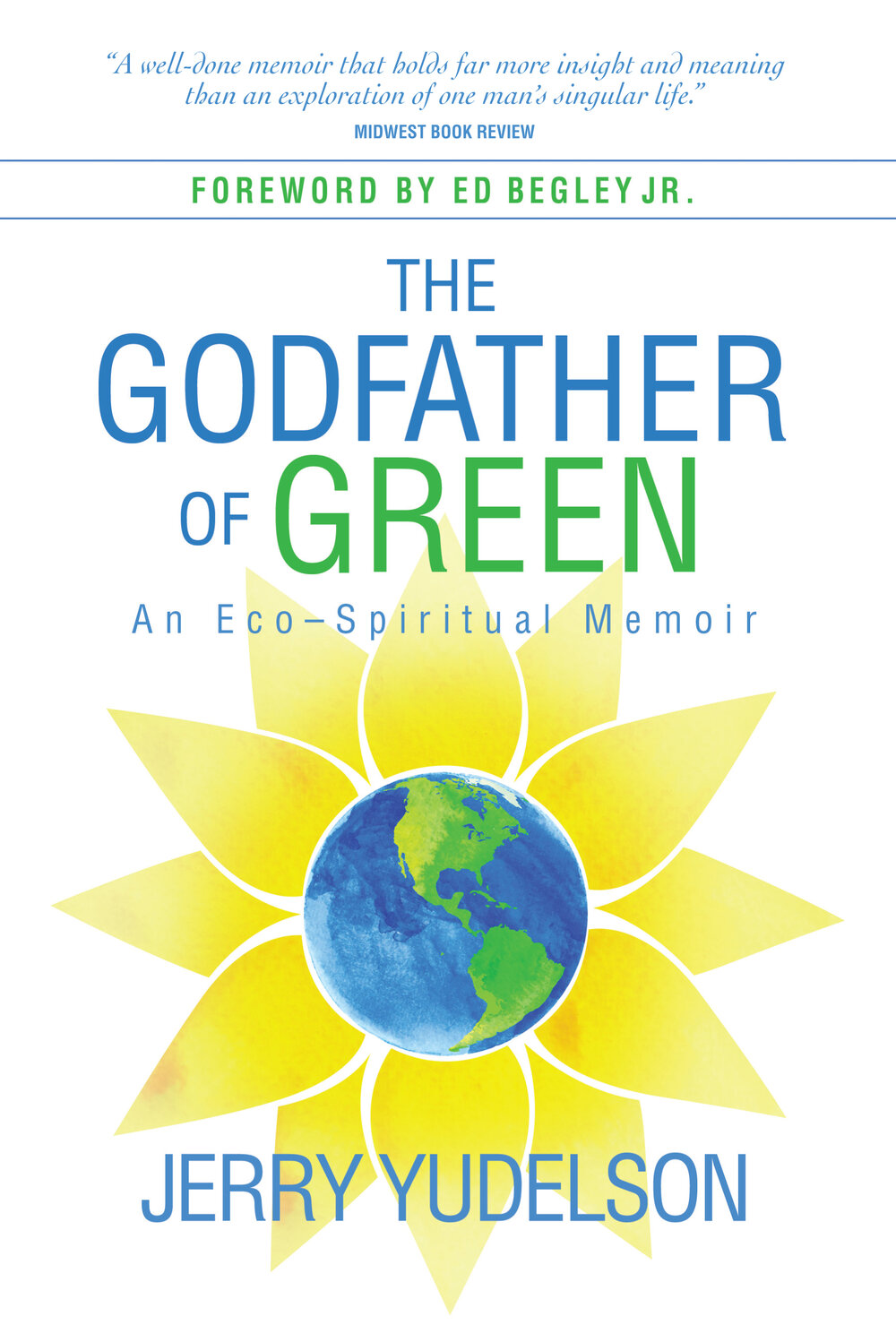
To order Jerry’s book, get a 10% discount, and support a local independent bookstore, go here.