In my new book, The Godfather of Green: An Eco-Spiritual Memoir, I included an Epilogue in the form of an open letter to today’s young climate strikers. What had I learned that I could share with them, that would help them to confront humanity’s most significant challenge: living together peacefully on a fully habitable planet?
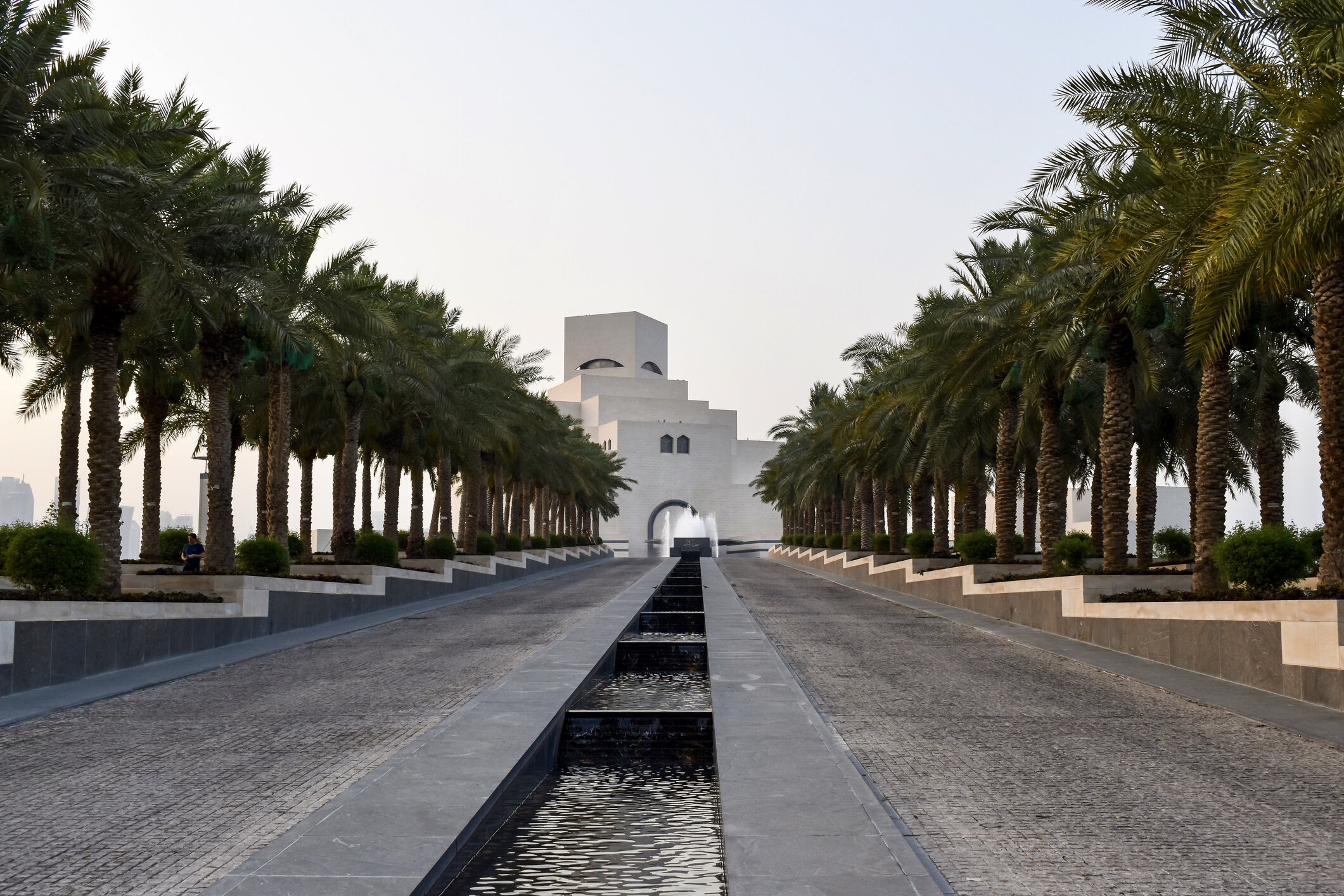
The Museum of Islamic Art in Doha, Qatar, designed by I.M. Pei and opened in 2008, built appropriately at the end of a long causeway on an artificial island in the Persian Gulf, just above the rising sea. Credit: Kesu01.
Here’s an excerpt from the Epilogue that explains how my thinking evolved from green building to climate justice over the past five years.
IN OCTOBER 2016 I VISITED PARIS DURING A EUROPEAN VACATION. One afternoon, I decided to walk from my hotel to Shakespeare & Company, the iconic bookstore on the Left Bank. I browsed through the store but didn’t find anything to buy.
As I was leaving, I spotted a book at the checkout stand with an intriguing title: The Great Derangement, by the Bengali novelist Amitav Ghosh. In three essays, Ghosh indicted our cultural unwillingness to deal directly with climate change’s onrushing challenges. By turning our backs on humanity’s accumulated wisdom about the aliveness of the natural world and the current scientific consensus about anthropogenic climate change, he argued that modern society has become deranged.
In his condemnation, Ghosh included not only politicians and businesspeople, the usual suspects, but also artists and writers focused primarily on the “moral adventures’” of the individual, intent on expressing outrage for the personal abuse they’ve suffered, while ignoring climate change, the greatest abuser of all. After reading The Great Derangement, I focused my attention fully on the climate crisis.
Nearing the end of my career, I wanted only to deal with what mattered most, to bring to this work what I had learned from my spiritual journey. I didn’t want to waste time condemning bad actors, however satisfying that might be. We’re all in this together: our modern lifestyle created the crisis. Only young people have the energy, openness, and resolve to deal with our current ecological metastasis. What could I tell them?

The iconic Shakespeare and Co bookstore in Paris.
Credit: MasterLu
In the Epilogue, I offered three lessons in environmental leadership:
1. Always demand more than you think you need and hold people accountable for delivering.
2. Offer your work as selfless service to the planet and its people, coming from a place of love and respect.
3. Make a place for everyone in this movement, because you’re going to need participation from many different fields: poets, politicians, priests, scientists and business leaders.
Would this approach appeal to an angry generation, eager for quick fixes to generations-old problems? Only time will tell.
In the meantime, take a look at the memoir! Here’s a quote from an independent reviewer:
“A well-done memoir that holds far more insight and meaning than an exploration of one man’s singular life.” – Midwest Book Review
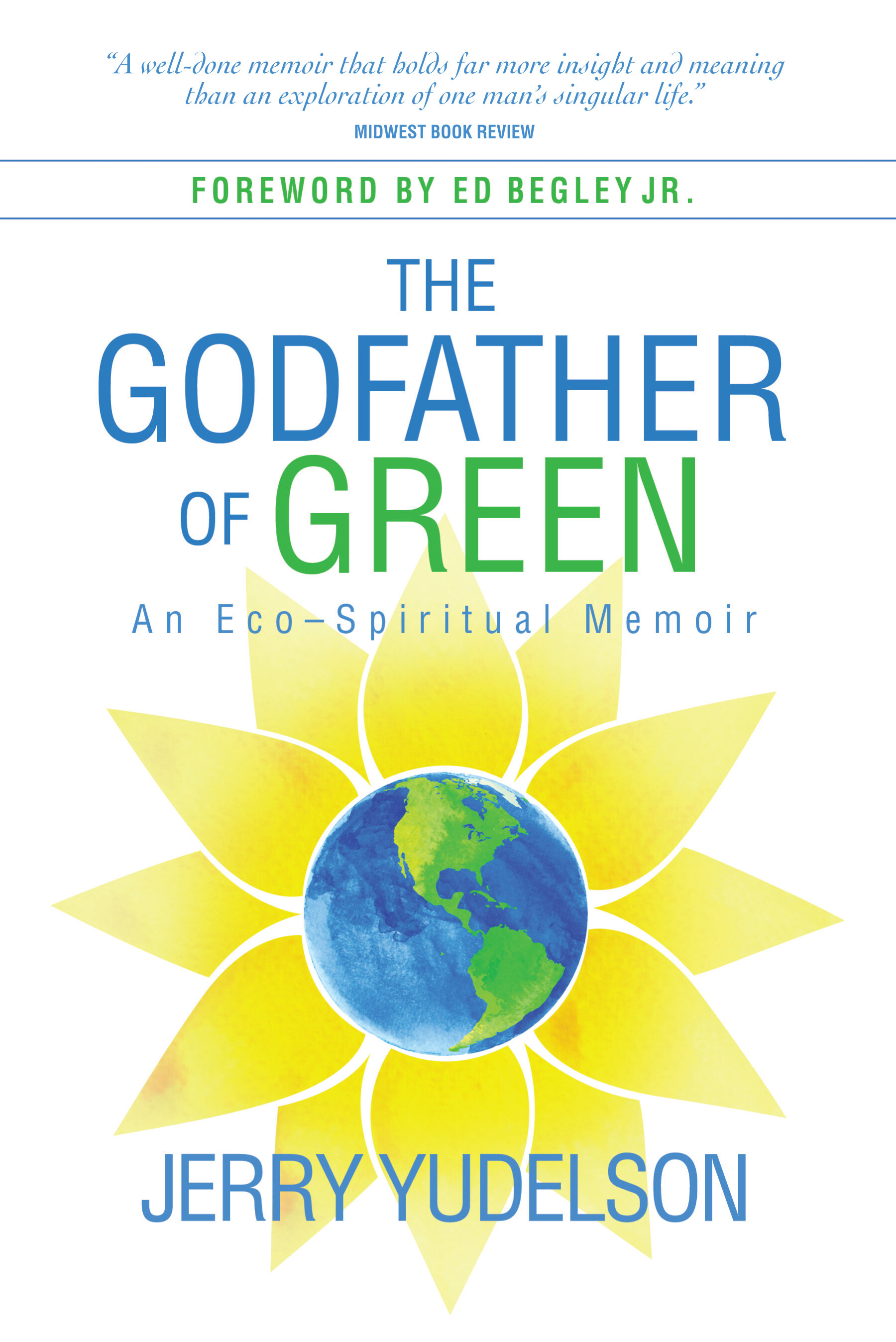
To find out more about the book: https://jerryyudelson.net
“Brings principles of spiritual mindfulness and stewardship to the environmental discussion” – Publishers Weekly